Art Movements in Nigeria: Evolution, Identity, and Contemporary Expression
Nigeria’s art movements reflect a rich journey from indigenous traditions to globally recognized contemporary practices. From the cultural revivalism of the Zaria Art Society and the intellectual depth of the Nsukka School, to the expressive freedom of the Oshogbo School and the emerging Art Jollof Movement , Nigerian art continues to evolve through innovation, fusion, and strong cultural identity. Together, these movements define a vibrant and influential artistic landscape shaping both national heritage and the global art scene.
Aliyu Aminu Ahmed
4/23/20263 min read
Art Movements in Nigeria: Evolution, Identity, and Contemporary Expression
Nigeria’s art history is a dynamic continuum shaped by indigenous traditions, colonial encounters, post-independence identity formation, and global contemporary influences. Its art movements reflect not only aesthetic shifts but also intellectual, political, and cultural transformations. From early modernist experimentation to today’s globally recognized contemporary scene, Nigerian art has continually negotiated the relationship between tradition and innovation.
Indigenous Foundations and Pre-Modern Traditions
Before the emergence of formal “movements,” Nigerian art was rooted in highly sophisticated indigenous traditions. Civilizations such as the Nok, Benin, Ife, and various Yoruba and Igbo communities produced works of remarkable technical and symbolic depth. These traditions embedded art within spirituality, governance, and everyday life, serving as instruments of ritual, authority, and cultural preservation.
The naturalism of Ife bronzes, the technical mastery of Benin castings, and the symbolic abstraction of Igbo and Yoruba visual systems demonstrate that Nigeria possessed advanced artistic philosophies long before colonial influence. These traditions continue to inform contemporary artistic expression, providing both aesthetic vocabulary and conceptual grounding.
The Zaria Art Society and the Birth of Modern Nigerian Art
Modern Nigerian art began to take shape in the late 1950s with the formation of the Zaria Art Society. Led by artists such as Uche Okeke, Demas Nwoko, and Yusuf Grillo, the group challenged the dominance of European academic realism imposed through colonial education.
They introduced the concept of Natural Synthesis, advocating a deliberate fusion of Western techniques with indigenous artistic traditions. This philosophy marked a turning point, establishing a framework for modern Nigerian art that emphasized cultural authenticity, intellectual independence, and creative experimentation.
The Nsukka School and Uli Revivalism
The Nsukka School emerged in the 1970s at the University of Nigeria, Nsukka, building on the intellectual foundation laid by the Zaria Art Society. Central to this movement was the revival of Uli, a traditional Igbo system of linear design used in body and wall painting.
Artists such as Obiora Udechukwu and El Anatsui reinterpreted Uli into a contemporary visual language characterized by fluid lines, symbolic abstraction, and narrative depth. The movement extended beyond painting into sculpture and installation, gaining international recognition and influencing global contemporary art discourse.
The Nsukka School is widely regarded as one of the most intellectually grounded art movements in Africa, merging cultural revival with academic rigor.
Oshogbo School and Neo-Traditional Expression
The Oshogbo School developed in the 1960s as a largely informal movement rooted in Yoruba cultural expression. Unlike the academically driven Nsukka School, Oshogbo artists often emerged from workshop environments rather than formal institutions.
Artists such as Twins Seven Seven and Nike Davies-Okundaye gained international recognition for their vibrant, narrative-rich works inspired by mythology, folklore, and everyday life. The movement is notable for its use of batik, textile, and expressive painting techniques.
Oshogbo demonstrated that artistic innovation in Nigeria was not confined to formal education, but could thrive through community-based creativity and cultural immersion.
Art Jollof Movement: Fusion, Texture, and Cultural Reimagination
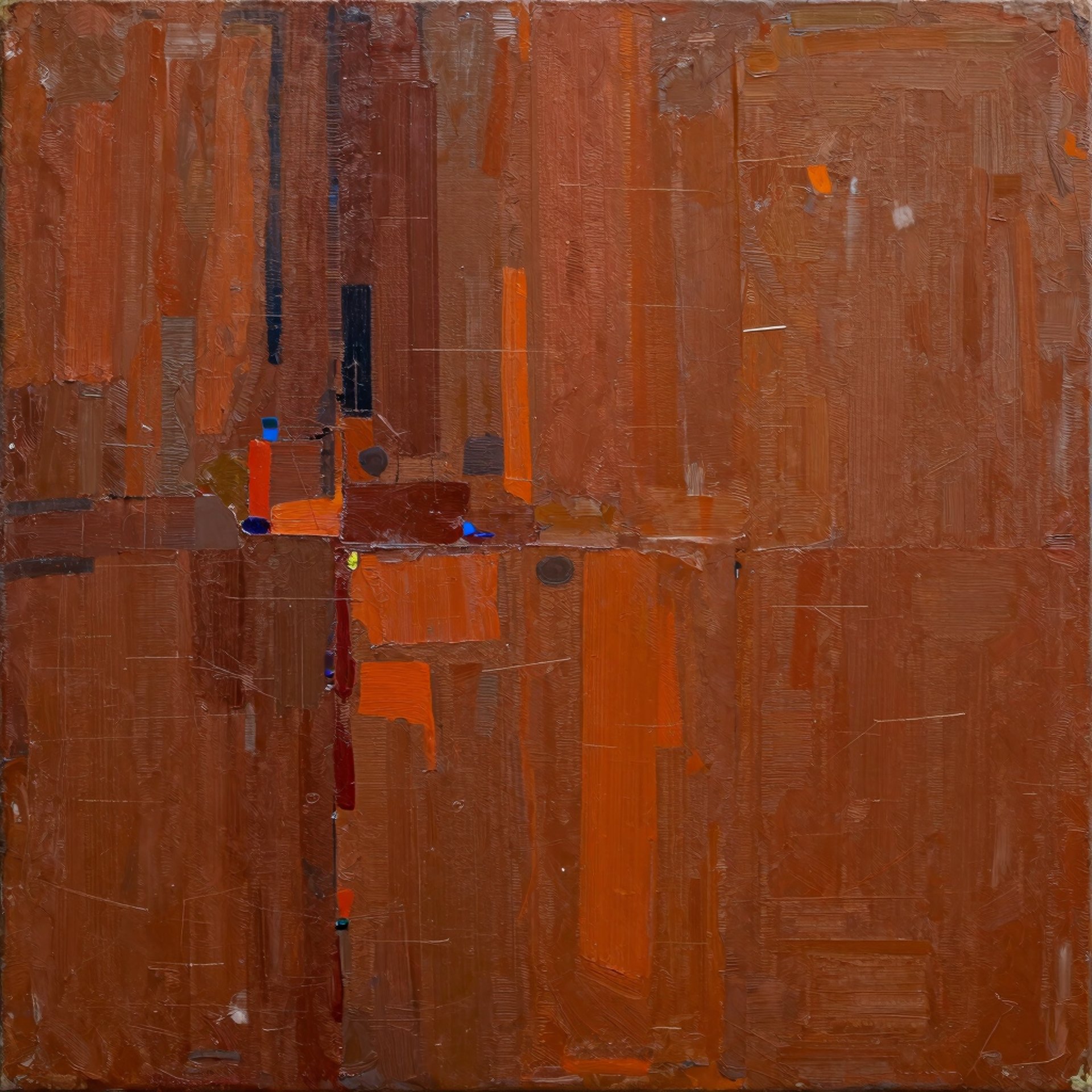
The Art Jollof Movement represents a contemporary evolution in Nigerian art defined by fusion, experimentation, and bold cultural expression. Drawing metaphorically from the idea of blending diverse ingredients, this movement integrates traditional motifs, modern abstraction, and global contemporary practices into a unified artistic language.
It is characterized by rich textures, layered materials, vibrant color palettes, and strong emotional resonance. Artists working within this movement frequently employ mixed media and unconventional materials, creating works that are both visually dynamic and physically engaging.
Beyond aesthetics, Art Jollof emphasizes identity, storytelling, and cultural reinterpretation. It reflects a generation of artists who are not bound by rigid artistic doctrines but instead operate within a fluid and adaptive creative space. This movement aligns with the broader trajectory of contemporary Nigerian art while pushing boundaries in materiality and conceptual expression.
Contemporary Nigerian Art: Globalization and Experimentation
Contemporary Nigerian art is expansive, diverse, and globally connected. Artists such as Njideka Akunyili Crosby and Victor Ehikhamenor explore themes of identity, migration, memory, and socio-political realities through a wide range of mediums, including painting, installation, photography, and digital art.
The increasing visibility of Nigerian artists in international exhibitions, biennales, and auction houses reflects the growing influence of the country’s art scene. At the same time, local institutions, galleries, and art fairs continue to strengthen domestic engagement and market development.
Conclusion
Art movements in Nigeria are layered, interconnected, and continuously evolving. From indigenous traditions to modernist synthesis, from cultural revivalism to contemporary innovation, each movement contributes to a broader narrative of artistic resilience and transformation.
The emergence of movements such as Art Jollof underscores the ongoing vitality of Nigerian art—its ability to adapt, experiment, and redefine itself while remaining deeply rooted in cultural identity.